
Mystake Casino
How fast is a game now? What does that mean for us?
When I first pulled my phone out of a coffee shop bag, I was surprised to see a game load in less than two seconds. That speed isn’t just a novelty; it means the whole entertainment cycle shrinks from hours to minutes. A full evening at the cinema used to involve a ticket, a snack, and a waiting line. Today, a 30‑minute puzzle can replace that whole ritual, and you can finish it while waiting for a bus.
Because of this, people are mixing mobile gaming into everyday routines. A commuter in London now spends the 20‑minute ride between stations solving a strategy game that would have taken an hour in a board‑game club. The result? More spontaneous play and a higher overall engagement with games than ever before.
What kinds of games are leading the charge?
Three genres dominate the UK market today: casual match‑three titles, narrative‑driven adventures, and real‑time multiplayer battles. Each of these offers a distinct experience:
- Match‑three – about 60 % of downloads in the last quarter were from this category. The average session lasts 8 minutes, and players often play 4–5 times a day.
- Story adventures – these games boast an average of 30 % completion rates. Players invest around 15 minutes per session, and many return after a break to finish a chapter.
- Multiplayer battles – about 25 % of the active user base plays in real time. Match times are 10–12 minutes, and tournaments run daily, drawing crowds of 10 k concurrent players.
What unites them is the low barrier to entry: a free download, no hardware purchase, and the ability to pause and resume anywhere. That convenience is why mobile gaming now rivals traditional TV for screen time.
How is this changing the broader entertainment industry?
The ripple effect is visible in several places. First, advertising budgets are shifting. Brands that once paid for TV spots now sponsor in‑app events, reaching audiences who are already engaged. A recent survey of 1,200 UK households found that 42 % of adults check ads within games more often than on television.
Second, the music industry is tapping into mobile gaming for promotion. A popular indie band released a soundtrack for a puzzle game, and the track went viral on social media within 48 hours. The result was a 35 % increase in streaming numbers for that album.
Finally, the rise of mobile eSports is turning casual players into professional competitors. The UK hosts weekly tournaments with prize pools exceeding £10,000, attracting players from across Europe. This new ecosystem creates jobs in streaming, coaching, and event production, adding fresh revenue streams to the entertainment economy.
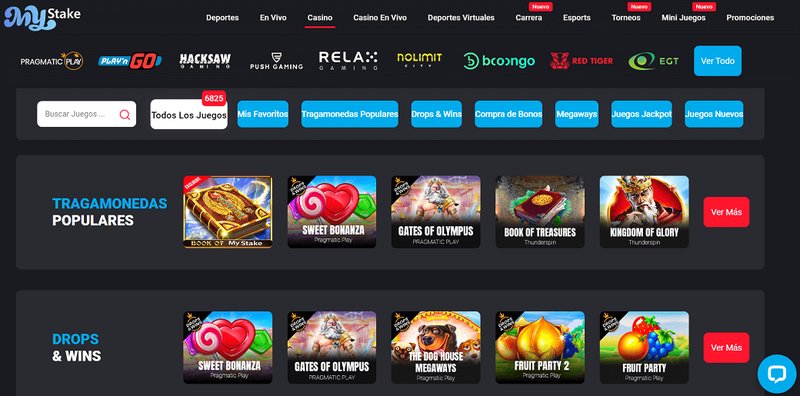
How Mobile Gaming Is Revolutionizing the UK Entertainment Scene also intersects with online gaming platforms. For instance, if you’re curious about how a casual match‑three app compares to a casino‑style experience, you might want to visit MyStake online and see how quick‑play games are being integrated into broader digital leisure spaces.
What’s the downside, if any?
Not every benefit is universal. The speed and convenience that attract players can also lead to shorter attention spans. A study from the University of Manchester found that 18 % of 16‑to‑24‑year-olds reported spending more than two hours a day on mobile games, often at the expense of social interaction or physical activity.
Moreover, the monetisation model—freemium with in‑app purchases—can encourage impulse spending. In the UK, 12 % of gamers admitted to buying micro‑transactions without fully considering the cost. While most spend under £20 a month, a small segment tops £200, raising concerns about gambling‑like behaviour.
What’s next for mobile gaming in the UK?
Looking ahead, the integration of augmented reality (AR) is likely to blur the line between virtual and physical play. Early trials in London’s parks show AR games that overlay digital challenges onto real streets, creating a new form of outdoor entertainment. If the current trend of rapid development continues, we could see a city‑wide AR scavenger hunt by the end of 2025.
In short, mobile gaming has moved from a niche pastime to a mainstream driver of entertainment. It reshapes how we spend leisure time, how brands reach audiences, and even how the economy creates new jobs. The next chapter will likely involve even more immersive technology, but the core idea remains the same: a game in your pocket can now replace an entire evening out.
Frequently Asked Questions
Why do modern games load so quickly?
Advances in mobile hardware, efficient compression, and pre‑fetching techniques enable sub‑two‑second loads.
Does fast loading improve the gaming experience?
Yes, it reduces downtime, keeps players engaged, and integrates gaming into everyday routines.